
Snagging is the crucial final stage of buying a property in Spain. Typically, a month or two before the developer attains the Licence of First Occupation (LPO) and you meet for legal completion at the notary, you will be invited to inspect the property. While you can hire a professional surveyor, you must know what to look for. Identifying these defects before handing over all the money gives your lawyer the leverage to practice a retention of funds.
What is a Snagging List for a Marbella Property?
A snagging list is a comprehensive technical document that identifies defects, cosmetic flaws, and incomplete work in a newly built or recently renovated property. Before taking final legal possession of a villa or apartment in Marbella, this inspection documents everything from minor paint flashing to major structural settlement issues so the developer can rectify them.
Why is a Snagging List Essential Before Completion in Spain?
Buying a new build on the Costa del Sol represents a significant financial investment. Developers often rush final handovers to hit completion deadlines. Preparing a professional snagging list in Marbella protects your investment by:
- ✓ Giving Your Lawyer Financial Leverage: Documented defects allow your legal representative to negotiate a retention of funds at the notary until repairs are completed.
- ✓ Guaranteeing Quality Standards: Even multi-million euro luxury developments in Nueva Andalucía or the Golden Mile frequently suffer from rushed sub-contractor finishing.
- ✓ Avoiding Post-Handover Costs: Fixing developer defects after you move in or start interior decoration work causes unnecessary delays and out-of-pocket expenses.
When Should You Conduct a Snagging Inspection?
The ideal window to prepare your snagging list is typically 1 to 2 months before legal completion—after construction is finished and the developer is obtaining the Licence of First Occupation (LPO), but before you sign the final purchase deed at the notary.
Here is the ultimate checklist to ensure your Marbella villa or apartment meets your standard:
1 Uneven Plastering & "Bowed" Walls
Sub-contractors often skip the final fine-skimming stage. When the Mediterranean sun hits your walls in the late afternoon, every dip, bump, and trowel mark becomes glaringly obvious.
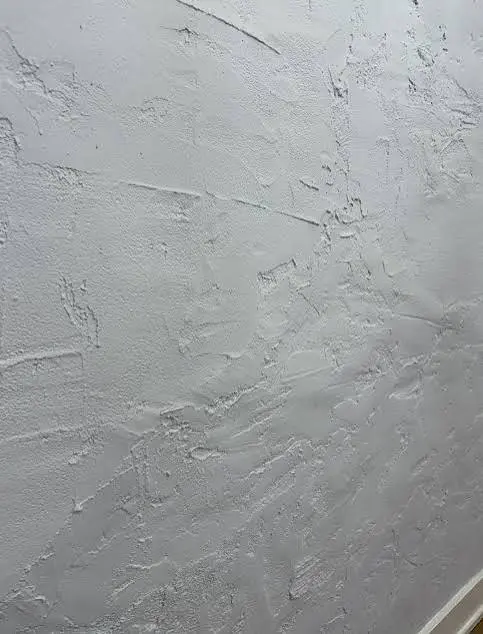
Place a long spirit level flat against the wall, or shine a strong flashlight parallel to the surface to reveal shadow casting.
2 Damp Patches & Water Ingress
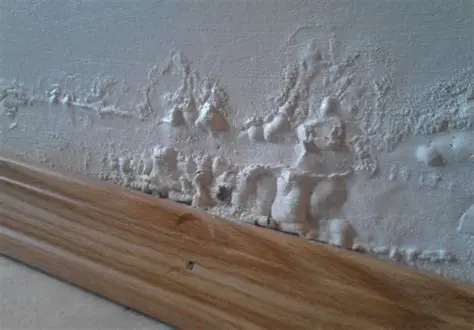
Water is the number one enemy of Spanish properties. Poorly sealed windows, bad terrace drainage, or leaking faucets can lead to rapid mould growth and structural damage inside the property.
Inspect the skirting boards (baseboards) for swelling. Look for flaking paint near plumbing fixtures, air conditioning vents, and exterior-facing walls.
3 Substituted Utilities
Never assume everything is connected or that the correct brands were installed. Developers sometimes substitute the high-end appliances (like Siemens or Bosch) specified in your memorandum for cheaper alternatives, or fail to connect the internet points as drawn on the floor plan.
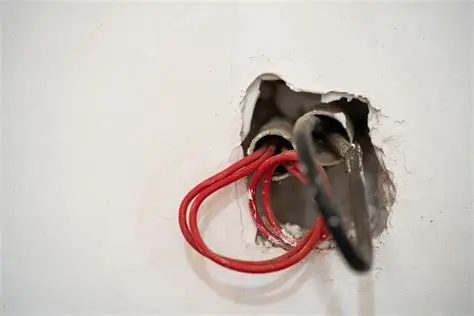
Test every single switch, electric shutter, and tap (including showers and exterior terrace faucets). Confirm the brands of all integrated appliances.
4 Settlement Cracks
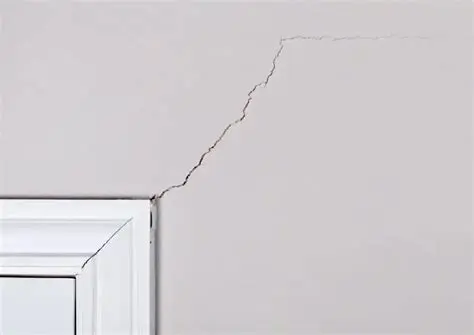
New buildings shift and settle into the ground during their first year. This naturally creates hairline cracks, particularly around door frames, window arches, and where drywall (Pladur) meets concrete blockwork.
Inspect the 45-degree angles above every door frame and the joints where false ceilings meet the wall.
5 Poor Paint "Cut-Ins"
Rushed painters rarely use proper masking tape. You will often find ceiling paint bleeding onto the walls, or wall paint splattered onto luxury wooden skirting boards and light switches. "Flashing" occurs when the paint dries inconsistently, leaving shiny patches.
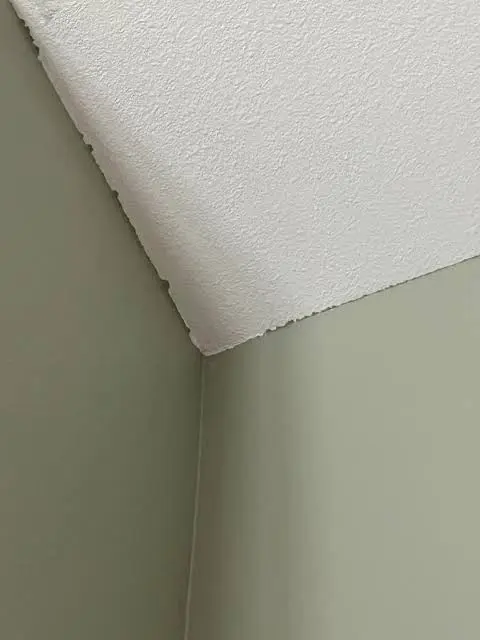
Look closely at the lines where the wall meets the ceiling and the floor. Are they razor-sharp or wavy?
6 Hollow or "Drummy" Floor Tiles
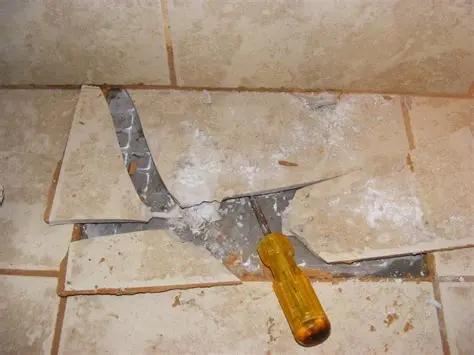
Large-format porcelain tiles are standard in Marbella luxury homes. If the tiler didn't apply enough adhesive ("dot and dab" method), a pocket of air is left beneath the tile. Drop a heavy item on it later, and it will shatter.
Gently tap the center and corners of the tiles with the rubber handle of a screwdriver. A hollow, echoing sound means missing adhesive.
7 Scratched Glass & Profiles
During the final site clean, laborers often use harsh scrapers to remove plaster dust from the large terrace sliding doors, leaving permanent scratches on expensive double-glazing or black aluminum profiles.
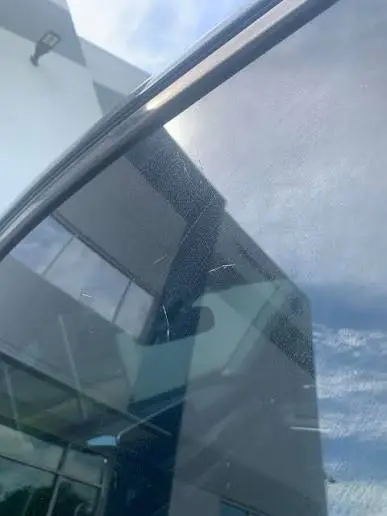
Clean the glass with a microfiber cloth and look at the windows from an angle against direct sunlight.
Part 2: Systems, Utilities & Fixtures
While plastering and paint defects are the most expensive to repair properly, you must also verify the mechanical integrity of your new build. Run through this rapid-fire checklist to test your utilities before legal completion.
Plumbing & Water
- ✓ Check for leaking faucets in all bathrooms and kitchens.
- ✓ Ensure all toilets flush correctly and refill without running.
- ✓ Test showers for suitable drainage to ensure water doesnt pool on flat resin trays.
- ✓ If you have a garden or ground-floor terrace, verify that exterior taps and irrigation systems actually work.
Electrics & Tech
- ✓ Confirm you have the exact number of electric, telephone, and internet points as specified on the original plan.
- ✓ Check that any doors and windows open and close properly without scraping the frames.
- ✓ Ensure all electric shutters are secure, and that the up/down switches are wired in the correct orientation.
Appliances & Fittings
- ✓ Verify that all electrical appliances match the specific brands included in your property’s memorandum (e.g., ensuring you got Siemens, not a cheaper substitute).
- ✓ Inspect all metal surfaces (fridge doors, extractor fans) for scratches or dents hidden under protective film.
- ✓ Check that extractor fans vent to the outside properly, rather than just recirculating air into ceiling voids.
Important Notice
- ✓ Utility Connections: Do not assume you will be able to use your property on the day of legal completion. Most utilities cannot be formally contracted until after the LPO is signed.
- ✓ Testing without power: If water and electric are not connected during your inspection, demand a reliable date to re-visit the property once services are live. You cannot fully snag a dark, dry house.

Should you let the developer fix your snagging list?
Lawyers will correctly advise you to use a retention of funds as leverage to force the Spanish developer to fix mistakes before completion. But ask yourself:
"Do I really want the exact same careless sub-contractors who rushed the job to come back and do a hasty patch repair on my luxury walls?"
Don't accept subpar patch jobs. If you prefer an independent team to handle your repairs, explore our professional snagging repair services in Marbella. At CapaPro, we physically repair plastering, painting, and finishing defects to a luxury standard—doing it right the first time so you can finally enjoy your new property.
View Our Snagging Resolution Service →